
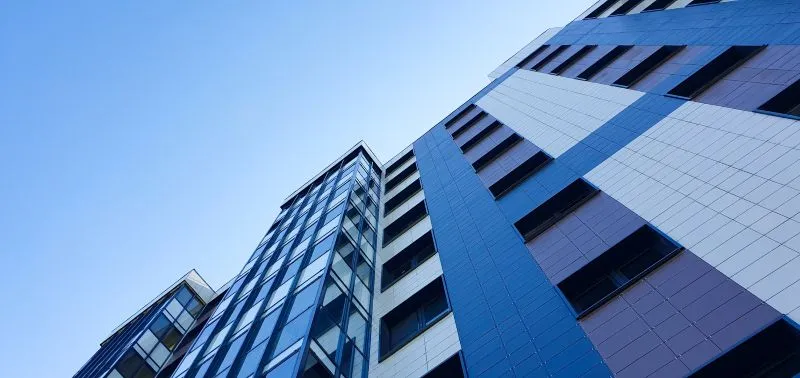
The Rise of Mixed-Use Developments: Building Vibrant Urban Communities
December 15, 2025
The Rise of Mixed-Use Developments: Building Vibrant Urban Communities
Understanding the Mixed-Use Model
Mixed-use developments bring together retail, office, and residential spaces into unified, walkable communities. This approach has become a cornerstone of modern urban planning, allowing people to live, work, and connect in the same area.
Key features of successful mixed-use developments include:
- Thoughtful design that balances residential and commercial needs
- Accessibility to public transportation and walkable amenities
- Ground-floor retail that supports community life
- Integration of open spaces, parks, and gathering areas
Why Mixed-Use Developments Are Thriving
The rise of mixed-use projects reflects a shift in consumer and tenant preferences. Today’s professionals and families want convenience and lifestyle integration. Businesses benefit from steady traffic, while residents gain access to services and entertainment close to home.
Benefits for developers and investors include:
- Diversified revenue streams from multiple property types
- Reduced vacancy risk through mixed tenancy
- Enhanced property value through community engagement
- Stronger long-term economic resilience
With decades of experience in commercial development and property management, Farbman helps transform ambitious mixed-use concepts into thriving destinations. Our team understands the nuances of zoning, design, and investment strategy required to create spaces that enhance both business success and community quality of life.
Revitalizing Urban Centers
Across the Midwest, cities are breathing new life into underutilized properties through mixed-use redevelopment. From transforming vacant malls into live-work spaces to converting old factories into creative offices and lofts, these projects help revive entire districts. Farbman has played a leadership role in several of these initiatives, focusing on projects that create lasting community impact.
Looking Ahead
As sustainability and walkability continue to drive urban growth, mixed-use developments will remain essential to the evolution of commercial real estate. Properties that combine practicality with lifestyle appeal are poised to lead the market in 2026.
Explore Mixed-Use Real Estate Opportunities with Farbman
Contact Farbman to explore opportunities in emerging mixed-use development projects across the Midwest. Our team can help you identify sites, secure financing, and plan developments that meet both market demand and community goals.
FAQs
Why are mixed-use developments becoming more popular?
They provide convenience, reduce commute times, and create vibrant communities where people can live, work, and shop in the same area, benefiting both residents and investors.
What makes a successful mixed-use development?
A successful project balances design, accessibility, and tenant mix. Combining residential units with retail and office space supported by public amenities ensures year-round activity and stability.
Related Posts

FLIGHT TO QUALITY, SLOW ROAD TO REINVENTION DEFINE DETROIT’S OFFICE OUTLOOK
Blog Post | March 2, 2026
Click Here for Article Farbman Group is proud to announce the addition of Michael O’Malley as featured in Heartland’s Groundbreakers. We are also pleased to share Andy Gutman’s featured article,...
Read More
Farbman Group adds EVP in Illinois
Blog Post | February 9, 2026
Click Here for Article Farbman Group hired Michael O’Malley as the firm’s new executive vice president of Illinois. Based out of Farbman Group’s Chicago office, O’Malley will be responsible for driving the...
Read More
Top Property Management Trends for Commercial Owners in 2026
Blog Post | December 17, 2025
Top Property Management Trends for Commercial Owners in 2026 The Future of Property Management Property management continues to evolve rapidly, with new technologies and tenant expectations reshaping the industry. Owners who...
Read More